Outlying Farm
Outlying Farm
About Us
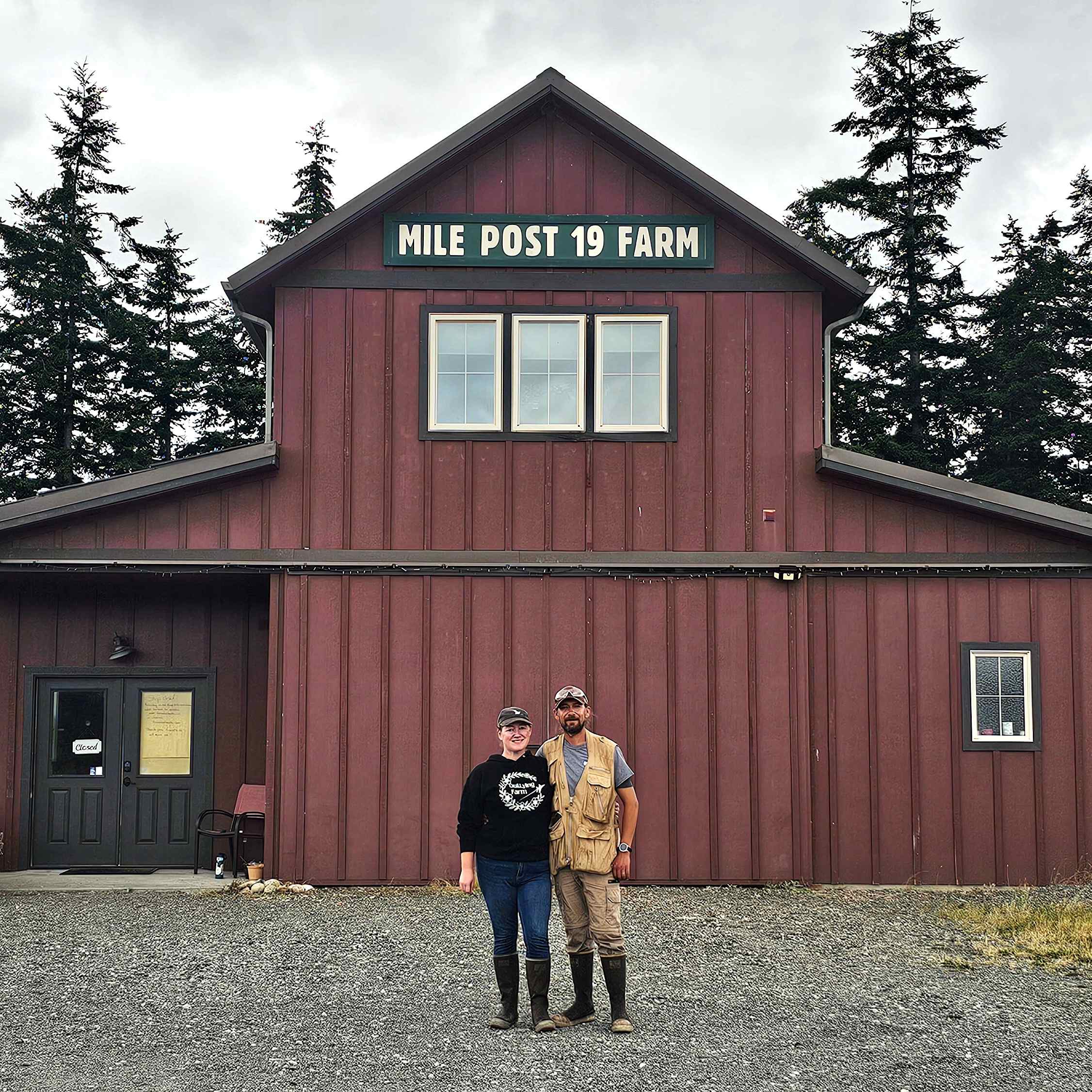
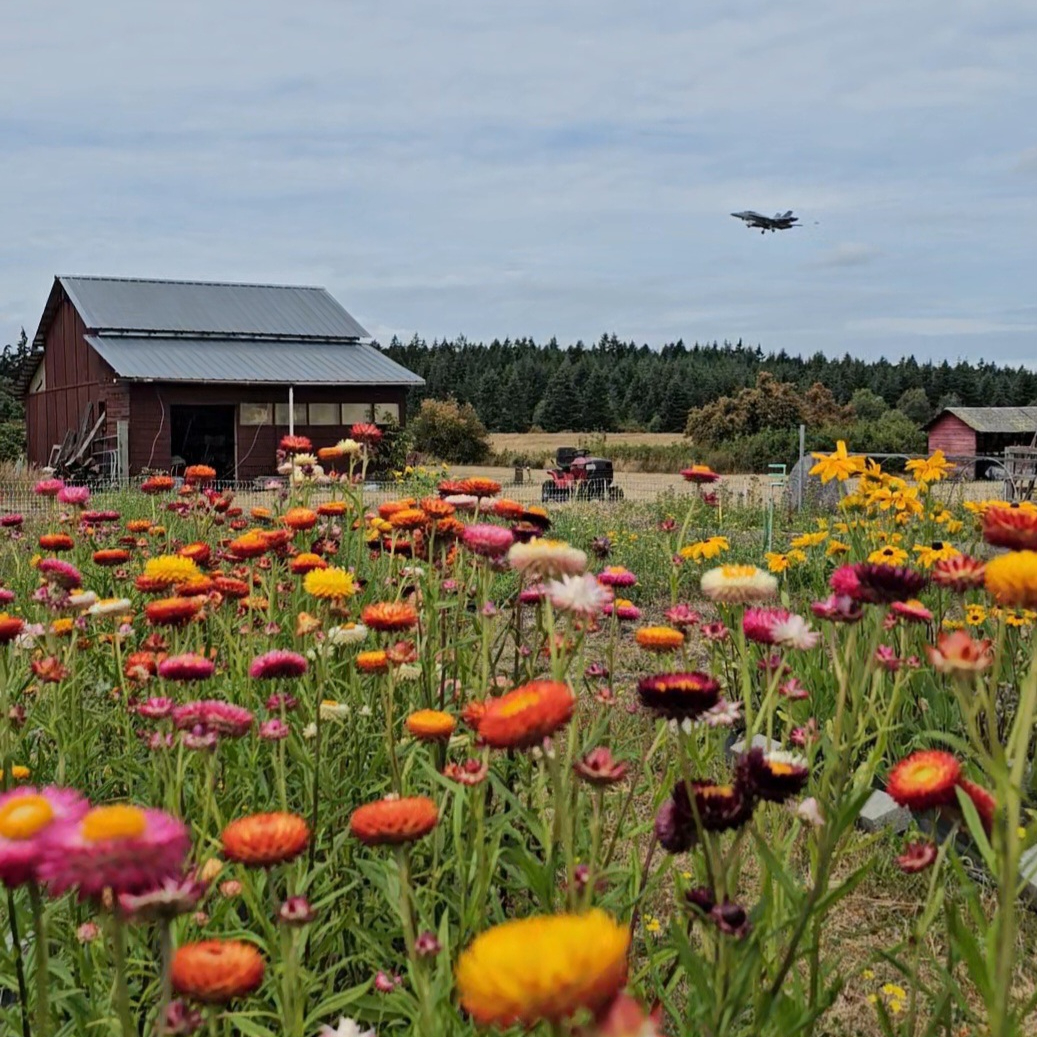
Outlying Farm is a 15-acre flower farm bordering the Naval Outlying Landing Field (OLF), just outside of Coupeville. Owned and operated by Kim and Jake Zitnick, the farm is in it's first year of production for sales, but the property has a long history of agricultural use. After growing flowers and vegetables for pleasure for the last 4 years, they made the decision to share their love of locally grown products and open a farm stand to serve their community. Just recently, they acquired the adjacent property and barn at the Milepost 19 Farm in order to expand production, which includes over 40 fruit trees and a 1/3 acre field of peonies.
Jake has a background in farming and farm management, having worked for over a decade on organic vegetable farms (both in Maryland and in the Snoqualmie Valley). He also spent many years in estate landscaping. Currently he works off-farm full time, but acts as the farm's logistics officer, project manager, and mentor. Kim's background is in accounting and sales. After spending many years working in retail, she transitioned to accounting and tax preparation, and finally decided to open her own bookkeeping practice, which is going on it's 4th year in service. With a history of home gardening, she brought the love of flowers to the table. She is the day-to-day farmer, and you'll regularly see her out in the field planting, watering, weeding, harvesting, and arranging our fresh and dried flower bouquets.
Practices
Outlying Farm's main goal is to improve soil health and increase biodiversity as much as possible. The farm's soil is extremely sandy with a large amount of rocks, so good soil management practices are essential to increase organic matter and allow crops to thrive. They grow using organic practices and methods, even though they are not 'certified' organic. They utilize compost, local cow manure, crop rotation, low-till practices, cover crop, integrated pest management, and drip irrigation to improve soils, manage water, and nourish the land. They also leave large areas of the farm as natural wildlife habitat (hedgerows, dead hedges, meadow, and both decidious and coniferous tree stands) in order to incease the biodiversity of birds, insects, and other ground-dwelling animals. They want the farm to represent sustainable, ecologically minded, ethically grown products that you can trust.